About the Project
The Multi-Observatory of Science, Technology and Innovation Dynamics project (MultiObs) seeks to improve the study and monitoring of Science, Technology and Innovation systems. This research proposal aims to establish a São Paulo Chair of Excellence (SPEC), funded by the São Paulo Research Foundation (FAPESP), at the State University of Campinas (UNICAMP) to develop a broad research program to create evidence and knowledge for more effective monitoring of Science, Technology and Innovation (STI). The program addresses critical and contemporary issues in STI indicators and policy-making, addressing widespread challenges regarding data infrastructures, funding dynamics, and societal and policy engagement with STI. We create a new framework for STI monitoring that federates data infrastructures and adopts participatory and multi-perspective approaches.
The program is structured around three main components: 1) A federated Big Data Research Infrastructure, composed of the largest available set of interconnected databases and analytical tools to support diverse data-driven questions; 2) Four Thematic Branches addressing pressing challenges in STI: (a) STI Funding and Workforce, (b) Public Communication, (c) Technology and Innovation, and (d) Science-Policy and Diplomacy in STI; 3) An innovative Living Lab aimed at co-creating contextually relevant STI indicators by engaging with the 28 organizations that already support the program (including industry, research groups, data providers, media, research funders, and policy organizations).
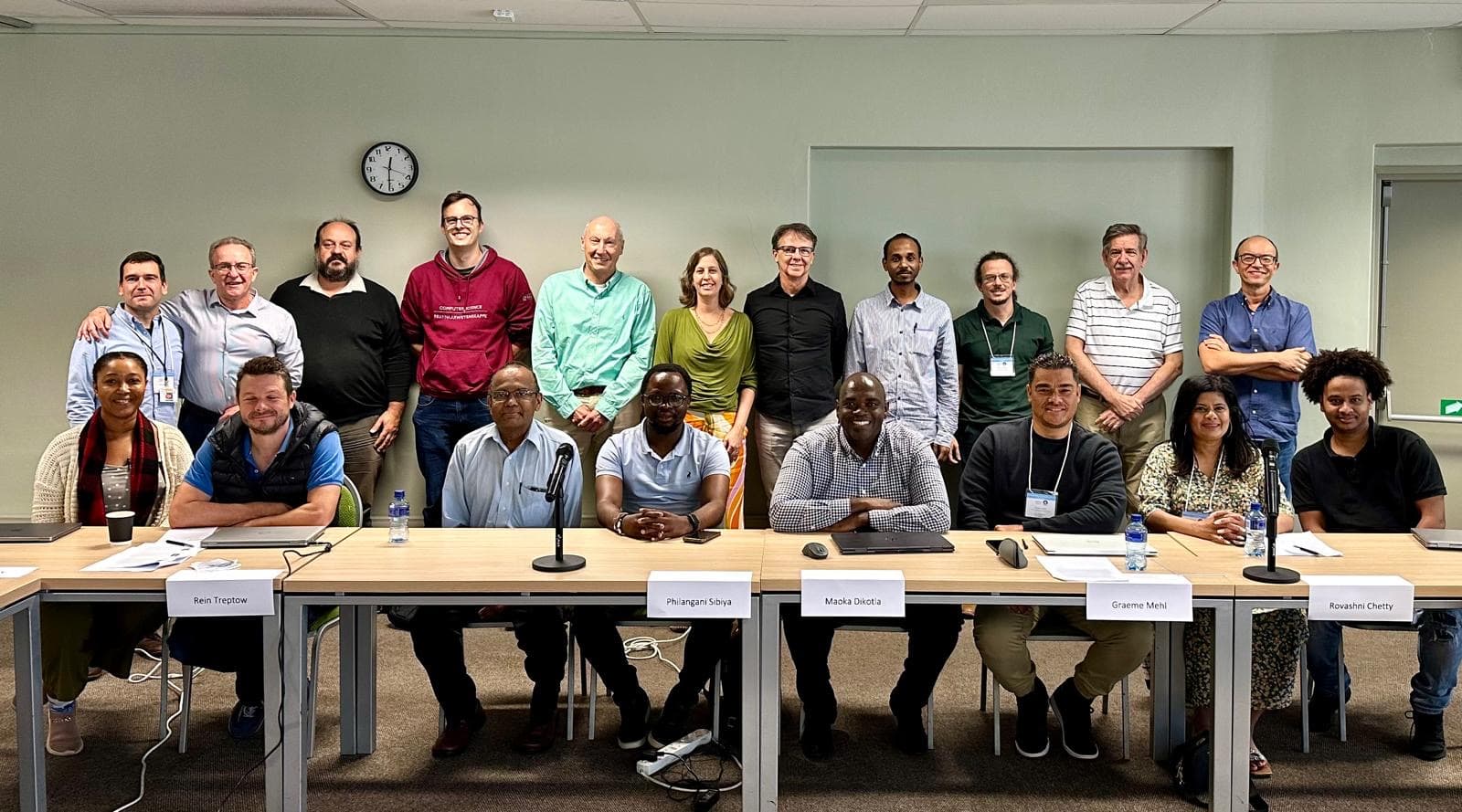
The MultiObs research program brings together a large international team of researchers and partners across five continents, with representation from Brazil, Europe, North America, Latin America and Africa. Among its expected outcomes, the project aims to contribute to the democratization of open research information for scientometrics and science policy.
The program expects to produce a public cloud computing infrastructure, new monitoring frameworks, educational materials, policy briefs, and academic outputs (articles, dissertations, books, and blog posts). Capacity building through various postgraduate courses and training modules will be central. Ultimately, the research program seeks to support stronger STI relationships with industry and society, and more effective STI policies and strategies.
The people and activities behind the project.
People
Principal Investigator
Rodrigo Costas
CWTS, Leiden University
Senior researcher at the Centre for Science and Technology Studies (CWTS), Leiden University, with vast research experience in the fields of scientometrics and quantitative science studies, and co-chair of the UNESCO Chair on Diversity and Inclusion in Global Science.
Co-Principal Investigators



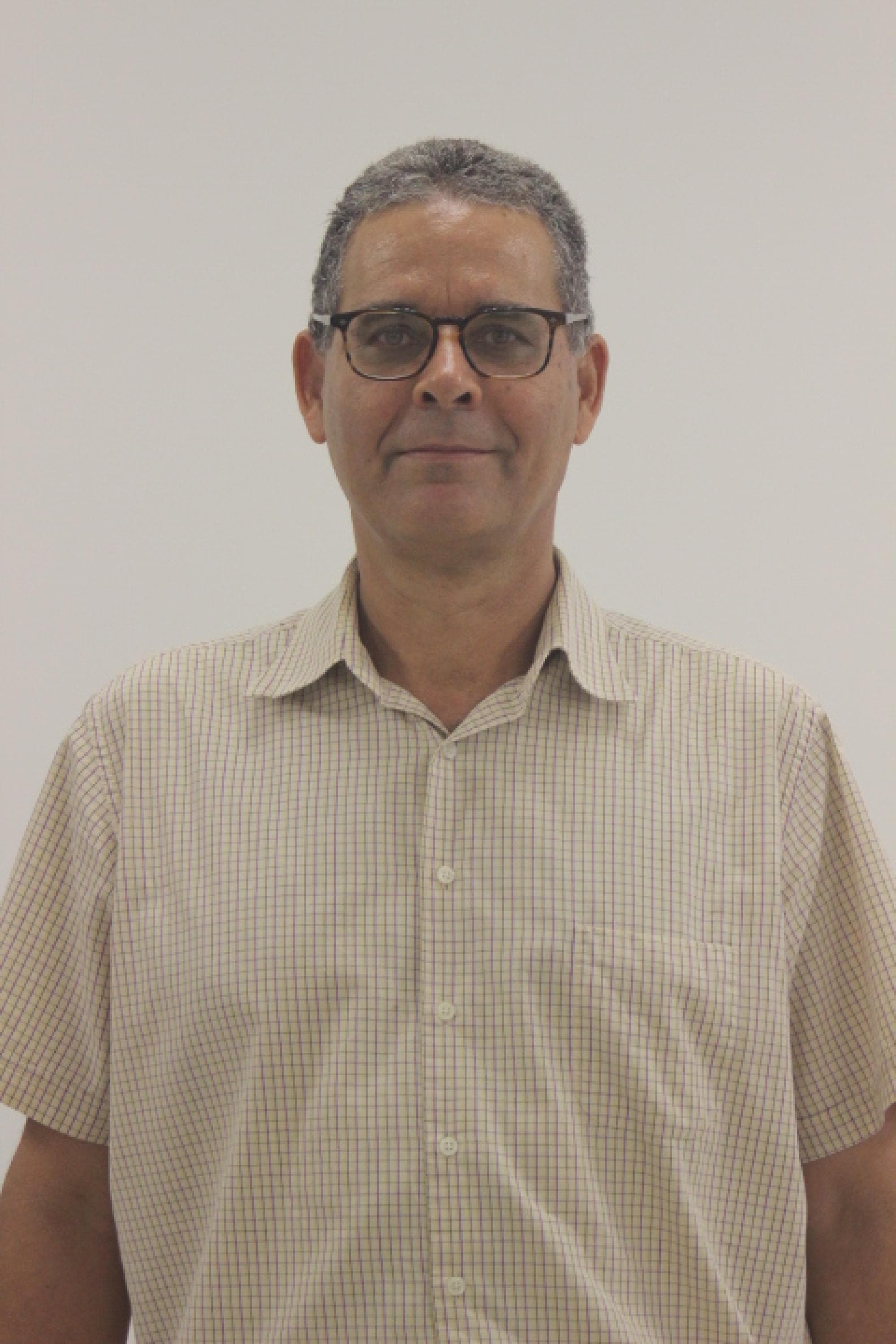

Cassidy R. Sugimoto
School of Public Policy, Georgia Tech
Full Professor at Carnegie Mellon University and Dean of the CMU College of Humanities and Social Sciences, with extensive experience studying how knowledge is produced and shared, with a focus on science diplomacy and the intersection of scientometrics and science policy.
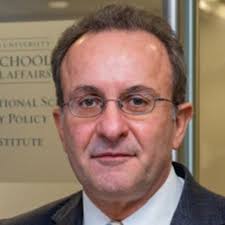
Nicholas S. Vonortas
Elliott School of International Affairs, GWU
Professor of Economics and International Affairs at GWU's Elliott School and Director of the Institute for International Science and Technology Policy, with vast research experience in the economics of technological change and innovation policy.
Associate Investigators


André Brasil
Leiden University · UFPR
Researcher affiliated with Leiden University and UFPR, working at the intersection of scientometrics, science policy, and open science, with a focus on the visibility and impact of Brazilian and Latin American research.




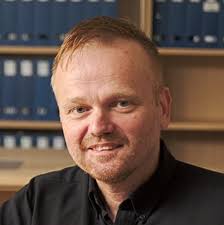
Jackson Maia
CGEE
Researcher at the Center for Strategic Studies and Management (CGEE), working on STI indicators, strategic foresight, and evidence-based policy for science, technology, and innovation in Brazil.
Engage
MultiObs is built on collaboration. Tell us about your work, propose a partnership, or share your feedback with the team.
Follow us